

Psychotherapist New York · 079234
Advanced EMDR Clinician & Somatic Therapist
Couple, Marriage & Relationship Therapist
Women’s Midlife specialist & Hormone Educator
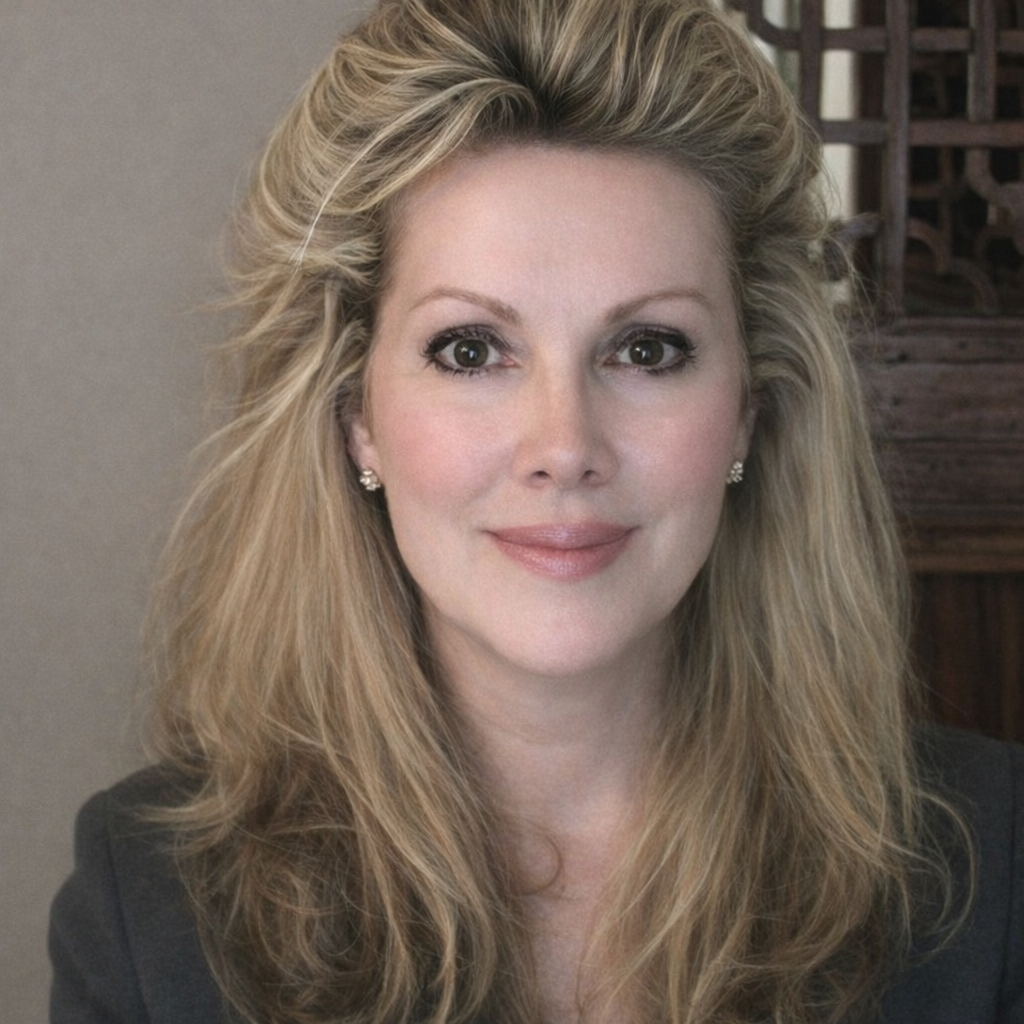
about Kimberly christopher
Welcome — I’m so glad you’re here.
I’m a New York University–trained licensed psychotherapist, somatic therapist, and energy healer with a private practice in New York City for nearly 20 years. I bring intuition, warmth, and compassion to my work—rooted in a deep sense of service and gratitude for the privilege of doing what I love every day.
It’s common to feel pulled away from the present, either replaying what’s already happened or bracing for what hasn’t yet arrived. My work centers on helping people develop a new relationship with their inner experience, one that allows for life’s challenges to be met with greater acceptance. Over time, this approach supports deeper presence, emotional resilience, emotional freedom, and empowerment.
I aim to provide expertly tailored and empowering therapy to help clients reawaken their spirit and gain the necessary skills to feel present, resilient, embodied, vital, and empowered.
Living an authentic life requires some unlearning and some unknowing. My experience—and my own circuitous personal journey—have enriched both my life and my practice immeasurably.
My Approach
My style of therapy is rooted in both science and soul.
While I hold deep respect for traditional talk therapy, I have found that integrating energy and somatic therapies creates an especially powerful pathway to lasting healing and profound transformation.
This practice offers grounded, heart-centered, integrative care for those who sense that healing happens not only through insight, but also through the body, nervous system, subconscious, and energetic layers of experience.
How My Integrative Path Began
My journey into alternative and integrative therapies began following several significant personal losses. During this time, I turned to yoga as a way to navigate grief and emotional pain.
It was also during this period that I discovered EMDR therapy professionally. This experience sparked a profound realization about the immense influence of the subconscious and unconscious mind on our daily lives—and how deeply stored experiences shape thoughts, emotions, behaviors, and relationships.
As I continued my path of self-exploration, my spiritual and alternative practices naturally expanded.
I explored and trained in a wide range of transformative modalities, including:
Buddhism
Meditation & Mindfulness
Kundalini
Tantra
Inner Child Work
Energy Medicine
Chakra-based healing
Intuitive Healing
Past Life Regression
These practices opened new doorways into healing and self-awareness and deepened my understanding of the interconnected wisdom of body, mind, and spirit.
Reiki & Energy Healing
I am a Level II Reiki Practitioner, having studied under the guidance of Margaret Ann Case and Pamela Miles. I maintain a daily self-Reiki practice that supports both my personal and professional growth.
I also maintain a daily spiritual practice and feel deeply connected to the Universe and the Divine, recognizing the transformative impact this connection has on my life and my work.
Integrative Therapy & Yoga Therapy Training
In 2009, I had the privilege of participating in Donna Karan’s Urban Zen Foundation Integrative Therapy Program (UZIT).
This program was a perfect fit for me, as I am committed to continually expanding my knowledge so I can offer comprehensive, high-quality care to my clients.
I graduated with:
500-hour certification in Integrative Therapy & Yoga Therapy
200 additional hours of previously earned yoga training
These skills complement my work with clients managing:
Chronic pain and illness
Trauma and PTSD
Anxiety and stress
Addictions
Other mental health imbalances
The philosophy of the Urban Zen Integrative Therapy Program is to train clinicians to work in private practice, hospitals, outpatient centers, corporate environments, medical schools, hospices, and community settings—bridging Eastern healing traditions with Western medicine in a compassionate, integrated model of care.
I continue to deepen my professional skills through ongoing advanced training in multiple modalities.
Areas of Specialization
I am professionally dedicated to the following areas of focus:
EMDR and somatic awareness techniques (for a wide range of concerns)
Women’s hormonal, emotional, and mental health (including perimenopause and menopause)
High-profile and celebrity clientele
Relationship and couples counseling
High-conflict divorce
Divorcing a narcissist
Traditional and non-traditional relationships
Therapeutic consultation
Coaching
Short-term therapy
Crisis support
The Other Parts of My Life
While my boys were young and following my divorce, I returned to school and earned an undergraduate degree in psychology. I later obtained a graduate degree with high honors from New York University in Clinical Social Work.
I was also a Ph.D. candidate at one point. Following several significant losses—including the death of my brother and father and my mother’s stroke—I chose to focus on raising my two sons as a single mother.
Somewhere between diving into my emotional history and transforming sadness and pain, I fell in love with the process of healing and transformation—again and again.
I am an advocate for mental health awareness, committed to reducing stigma and normalizing mental health care through education.
Home & Life Now
I have homes in New York and the Berkshires, where I share a private practice with my husband, psychologist John Christopher, Ph.D.
I enjoy:
Travel
Photography
Yoga
Biking
Gardening
Nature
Technology
Workshops
The beach
Collecting vintage and flea market finds
I have two adult sons who live in New York City, a grandson who delights and delights, and two rescue cats named Loki and Luna.
Your Questions Answered about this Holistic Psychotherapy, EMDR & Wellness
How do I know if therapy is right for me?
You should consider therapy if you are struggling with some aspect of your life that has begun to feel unmanageable. You may feel anxious or depressed, unable to handle stress, have unresolved trauma(s), feel "stuck," or your relationships may be faltering. You may be enduring a loss or difficult transition. These are all important reasons to consider finding a therapist in New York to help you manage your life challenges. Therapy sessions are an opportunity to grow as a human and become a better partner in all your significant relationships. Is Holistic Psychotherapy & Wellness Manhattan eligible for in-network & out-of-network insurance reimbursement?
I work with clients who have Cigna, Aetna, BCBS, United Healthcare, and many other popular insurance carriers as out-of-network providers. Although I do not accept insurance directly, I can file claims with your insurance company on your behalf. I am also able to give you a monthly "superbill" for you to submit. Coverage for my services will vary depending on your insurance plan. I can look up your policy to determine the details. I do not accept plans obtained through Medicaid/Medicare as I am not a credentialed provider. If you have out-of-network insurance, most private or employer-based health insurance plans provide some level of reimbursement for out-of-network plans. You may be reimbursed 50%-100% depending on your plan. Sessions are self-pay using a credit card or FSA/HSA.Can I still receive psychotherapy if I don’t live in New York State?
If we are doing psychotherapy, you must reside in New York State as this is where I am licensed to practice. I am also able to offer therapy to Montana residents. I am working towards licensure in other states. If you live within or outside of New York State, we can work together using transformation coaching, wellness consultations, coaching or therapeutic consultation, and that would be private pay. What if I require greater flexibility and convenience for therapy sessions?
I understand this aspect of your busy NYC lifestyle. You may juggle work, travel, family, children, and a busy social schedule, so therapy should never feel like a burden. Your wellness is a priority to me. A one-size-fits-all therapy approach is rarely helpful for individuals or couples. You'd like therapy that is impactful and moves you toward your goals and the results you desire. My New York counseling services are exclusively offered online via a secure telehealth platform. If you are looking for a Manhattan therapist (or a Brooklyn therapist, a Queens therapist, a Long Island therapist, an Upstate therapist, or an online therapist anywhere in New York State), I can help. As long as you don’t mind seeing your online therapist from the comfort of your couch. I offer convenient online therapy and flexible self-scheduling sessions. Often, I can offer same-day changes or additions to your schedule. How long will I need to be in therapy?
This is truly dependent on each individual and their presenting concerns, Some people need a few sessions (brief therapy) while others benefit from ongoing therapy. Sessions are typically once weekly, sometimes 2x weekly. I offer trauma healing intensive sessions for individuals who desire a highly focused trauma healing EMDR package. How does online EMDR therapy work with a trained trauma therapist in NYC?
As a trained online trauma therapist in NYC, I find online EMDR treatments to be just as effective as in-person treatments. I guide you to use bilateral stimulation techniques like eye movements or an alternative like butterfly tapping to process experiences. For clients with a history of complex trauma, having a caring, nurturing therapist physically in the room with them makes a world of difference. Therefore, virtual EMDR may not be a good fit. If we decide online counseling and EMDR is a good fit, then you can receive the therapy virtually. Using a combination of effective evidence-based therapies such as EMDR and IFS, my EMDR clients can achieve change in a very short period compared to traditional talk therapy, often healing occurs within a few sessions. Faqs about online therapy in nYC: how does Virtual therapy/video therapy work?
The technology for telemedicine has been available for decades, but the pandemic made virtual therapy a necessity. It's surprising how many people have benefitted from online virtual therapy. Like many therapists in NYC, I've been conducting virtual sessions for some time, so I'm comfortable working with technology. It's important to note that teletherapy isn't suitable for everyone seeking counseling, as many people prefer conducting psychotherapy sessions in person.How does Online therapy work?
This holistic psychotherapy and wellness practice in New York City understands that many people have busy schedules and may find it difficult to commute to therapy sessions. That's why I offer virtual therapy and telephone therapy as modern options for counseling. This is especially convenient for individuals who work, travel, have young children with different schedules, are young adults, college students, or expats. After scheduling an online session, you will receive a secure session link from the HIPAA-compliant platform SimplePractice. You can access the virtual therapy office using your computer, iOS/Android phone, iPad, or any other tablet-enabled device. Most laptops have a built-in camera and microphone, making it easy to participate in the sessions. Creating an emotionally safe space in your home or office for virtual sessions is also important, and all you need is a strong internet connection.What kind of therapy is offered virtually?
Online sessions are treated the same way as face-to-face sessions, using the same evidence-based therapy modalities, including Cognitive Behavioral Therapy (CBT), EMDR, Internal Family Systems (IFS), trauma therapy, psychodynamic psychotherapy, somatic psychotherapy, life coaching, wellness coaching, and stress management. Remote EMDR has been found to be just as effective for trauma resolution and other concerns as in-person EMDR. However, not everyone or every situation should be treated remotely, so it’s important to contact potential therapists to determine if virtual therapy is appropriate for your situation. Research now demonstrates that therapy sessions conducted by teletherapy are just as effective as face-to-face therapy. Read the research. Who can benefit from virtual therapy?
Anyone can access high-quality therapy in a private, confidential, and convenient manner. Seeking therapy with an experienced NYC psychotherapist can lead to healthier relationships, new perspectives, reaching goals, and building resilience. Therapy can provide support during stressful and challenging times, helping you feel less alone with your problems. Living in New York City comes with unique challenges, including a fast-paced lifestyle and high levels of stress. If you're experiencing feelings of anxiety, depression, loneliness, loss, substance use, or unresolved trauma PTSD, know that you're not alone. Holistic Psychotherapy & Wellness Manhattan offers evidence-based counseling and an integrative psychotherapy philosophy tailored to your unique needs. As a licensed psychotherapist in New York, I can see you whether you live in the NYC metro area or anywhere in New York State. There are various modern therapy options available, such as BetterHelp, TalkSpace, and the numerous licensed psychotherapists and psychologists on Psychology Today who provide high-quality therapy in the US and worldwide. Interested in receiving therapy in New York using your health insurance benefits? Holistic Psychotherapy & Wellness Manhattan is In-Network with BCBS & Aetna, and Out-of-Network with most health insurances. I have also been reimbursed by Aetna, Cigna, BCBS, Emblem, Oxford, United, and many more for out-of-network mental health services. Most of my clients are compensated about 50-100% of my fees.What is meant by holistic therapy?
A holistic philosophy uses traditional psychotherapy practices, along with the many therapies that are practiced in holistic healing. The goal is to create a fuller integration between mind, body and spirit by using an approach that honors your physical and emotional health. In other words, holistic psychotherapy is a “whole” person approach to healing. Holistic and integrative practitioners tend to believe that this approach leads to a deeper level of healing for our patients. The way we care for our body and spirit through diet, movement, beliefs, thoughts, values, relationships are all important aspects of who we are and how we feel, which determines many things, including our overall vitality, resilience and capacity for growth, and the successful achievement of our dreams and goals. Some traditional and less-traditional modalities used in this holistic psychotherapy practice includes: Psychodynamic Psychotherapy, Cognitive Behavioral Therapy (CBT), EMDR Therapy, Internal Family Systems (IFS), Solution-Focused Brief Therapy, Somatic Experiencing Techniques, Journaling, Self-Compassion Practices, Positive Psychology, Positive Neuroplasticity Training, Nutrition and Natural Medicine Support, Lifestyle Coaching.what if i dont have a diagnosable mental illness?
You’ve landed on this page for a reason. Perhaps you’re frustrated with conventional medical treatment and psychiatry. Holistic psychotherapy and natural remedies offer powerfully effective help for people who have not yet achieved the full alleviation of mental health symptoms from prescription medicine. It’s also a sound choice for people with mild symptoms, and for those who wish to avoid conventional psychiatry. Together, we work to identify the “root cause” underlying many common psychiatric symptoms such as ADHD, motivation, memory, anxiety and depression. Research reveals that some of the well-known biological factors that can create or intensify mental health symptoms include: chronic inflammation, low levels of nutrients and minerals, neurotransmitter dysfunction, poor gut health, food sensitivities, low thyroid, sex hormonal imbalances, and numerous other factors. For some individuals wishing to reduce or withdraw from prescription medications, herbal remedies and supplements have been an integral part of this process. As well, some natural remedies are shown to support and reduce cravings for individuals who struggle with substance misuse and addictions.Psychiatrists, Psychologists, Clinical Social Workers & Counselors, what’s the right fit for you?
In New York, understanding the differences between psychiatrists, psychologists, clinical social workers, and counselors is essential for finding the right mental health professional to meet your needs. Psychiatrists in New York are medical doctors (MDs or DOs) who specialize in diagnosing, treating, and preventing mental health disorders. They can prescribe medication and manage more severe conditions like schizophrenia, bipolar disorder, and major depression. Unlike psychologists or counselors, psychiatrists use their medical expertise to provide comprehensive care, combining therapy with medication management for a holistic approach to mental health in New York.
Psychologists in New York are highly trained professionals holding advanced degrees like a Doctor of Philosophy (PhD) or Doctor of Psychology (PsyD). These mental health experts specialize in assessing behavior, emotions, and mental processes through psychological testing. Psychologists in New York provide talk therapy, such as cognitive behavioral therapy (CBT) or psychodynamic therapy, and work with individuals and groups to help manage conditions like anxiety, depression, and trauma. While psychologists do not prescribe medication, they collaborate with psychiatrists or other medical professionals to ensure holistic care for their patients.
Clinical social workers in New York hold a master’s degree in social work (MSW) and are licensed to offer therapy and counseling services. Many have advanced training and degrees beyond their primary graduate training. These professionals provide valuable support in navigating mental health challenges like family issues, trauma, and life stressors. Clinical social workers focus on both emotional support and connecting clients with community resources, making them especially effective in addressing social factors that impact mental health. In New York, clinical social workers often help individuals and families manage complex situations, including addiction and mental illness, through therapy and case management.
Counselors in New York are mental health professionals with a master's degree in counseling or a related field. Licensed to provide therapy and emotional support, counselors focus on specific areas such as marriage counseling, addiction therapy, or career counseling. They help individuals and families address challenges like relationship issues, anxiety, and life transitions. While counselors in New York do not prescribe medications, they offer effective therapeutic interventions to improve well-being and provide tools for coping with emotional and psychological struggles. Whether you're looking for help with stress management or relationship advice, a counselor can be an invaluable resource. By understanding the roles of these mental health professionals, New Yorkers can make informed decisions about which type of expert is best suited to address their specific needs, ensuring better mental health support and outcomes.